MUNICIPALITIES • WATER AUTHORITIES • PUBLIC WORKS • PARKS AND GARDENS

Measure the water. Monitor the network. Intervene correctly in the field.

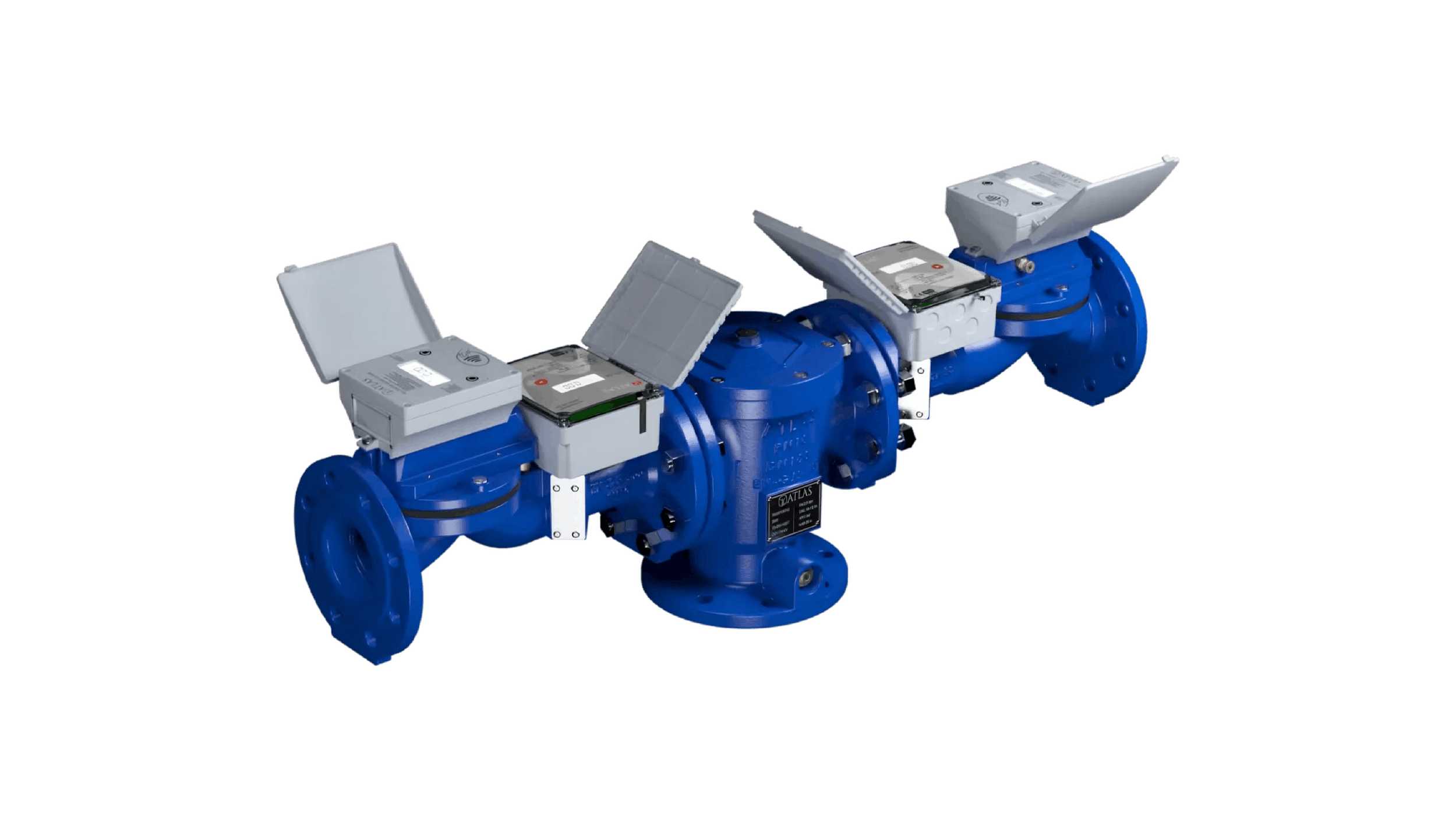
From the drinking water network to municipal facilities, from irrigation lines to storage and pumping centers, every application carries a different metering and control need. Atlas; flow meter, ultrasonic water meter, hydrant, valve and IoT communication products together with software and remote monitoring solutions, helps determine the system suitable for your project.

The goal is not merely to place devices; it is to collect reliable data from the right points, ensure that operations teams use this data, and make the results of the investment measurable.

START FROM THE ACTUAL FIELD NEED

A common measurement infrastructure for the municipality's different units

01 / DRINKING WATER NETWORK

Flow measurement at main lines and district entrances

Monitor with instantaneous flow rate and total volume data at the transmission line, storage outlet and distribution zone entrance which line water is moved to, when and in what quantity.

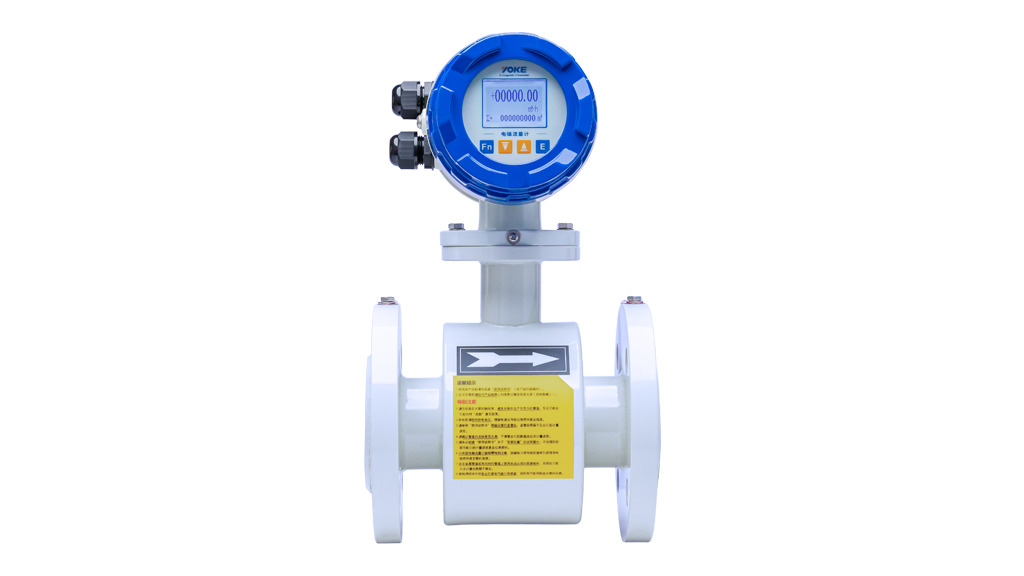
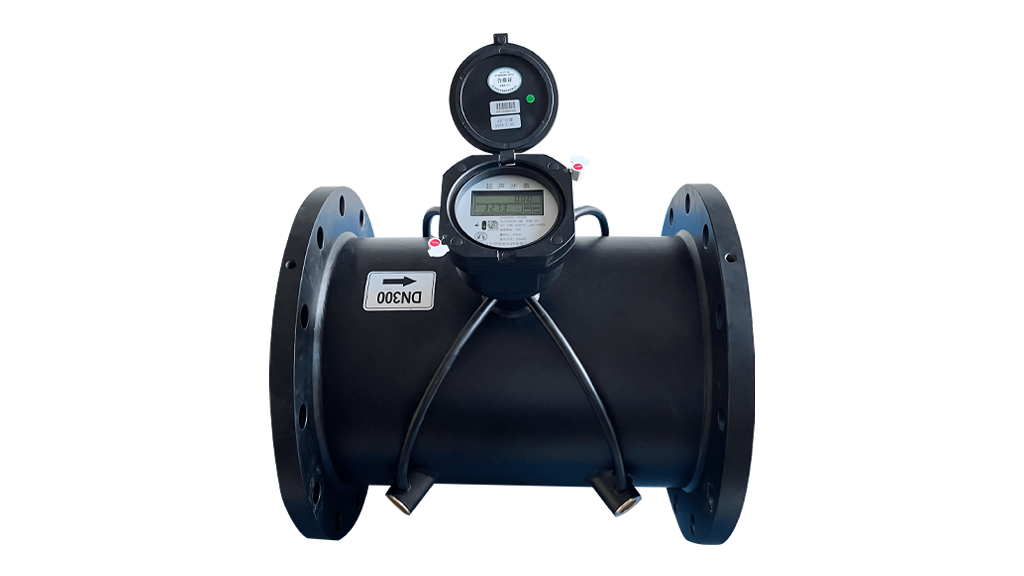
Electromagnetic flow meters · Ultrasonic flow meters
02 / LOSS AND ANOMALY MONITORING

District water balance with DMA

Create measurable sub-zones and compare the water entering the zone, the recorded consumption and its change over time. Night flow and unexpected consumption increases help prioritize field inspection.

District consumption monitoring
03 / SUBSCRIBER AND FACILITY METERING

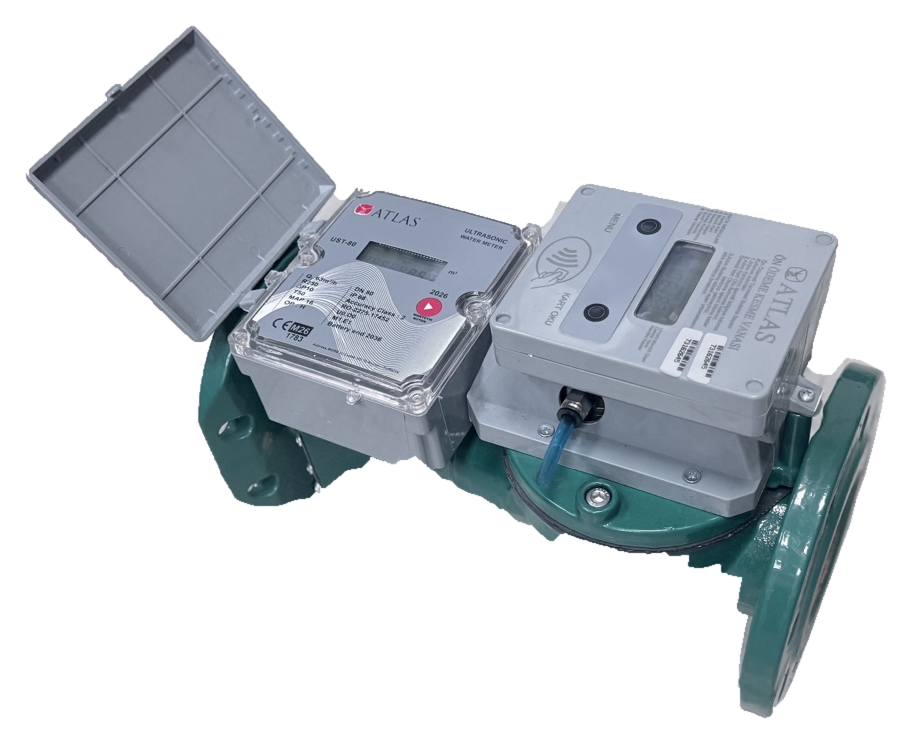
Ultrasonic water meter and remote reading

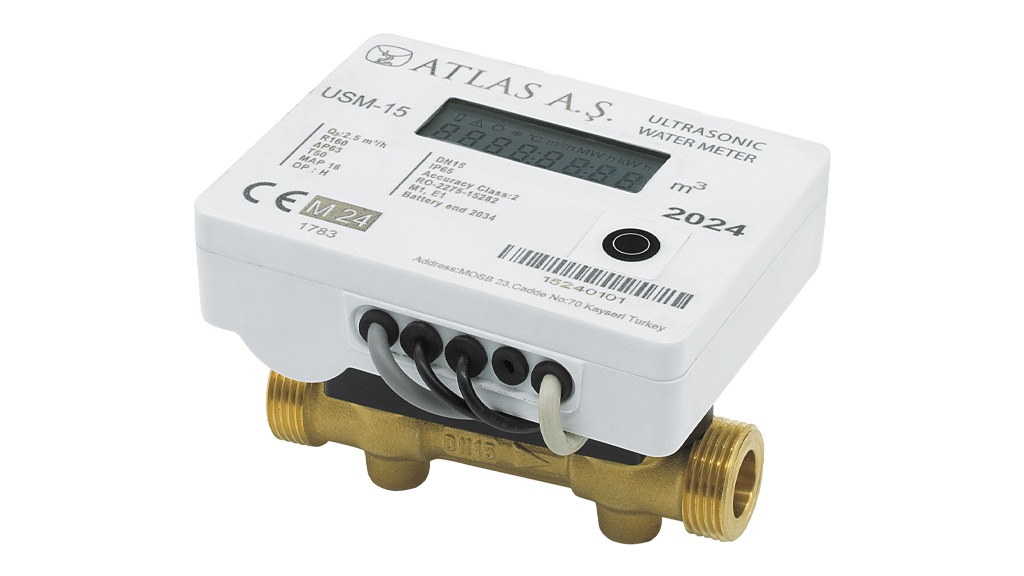
Monitor consumption regularly at municipal service buildings, social facilities and subscriber measurement points. Make the meter selection according to low-flow behavior, operating range, installation conditions and communication needs.

Ultrasonic water meters
04 / NETWORK CONTROL

Isolation, pressure management and line safety

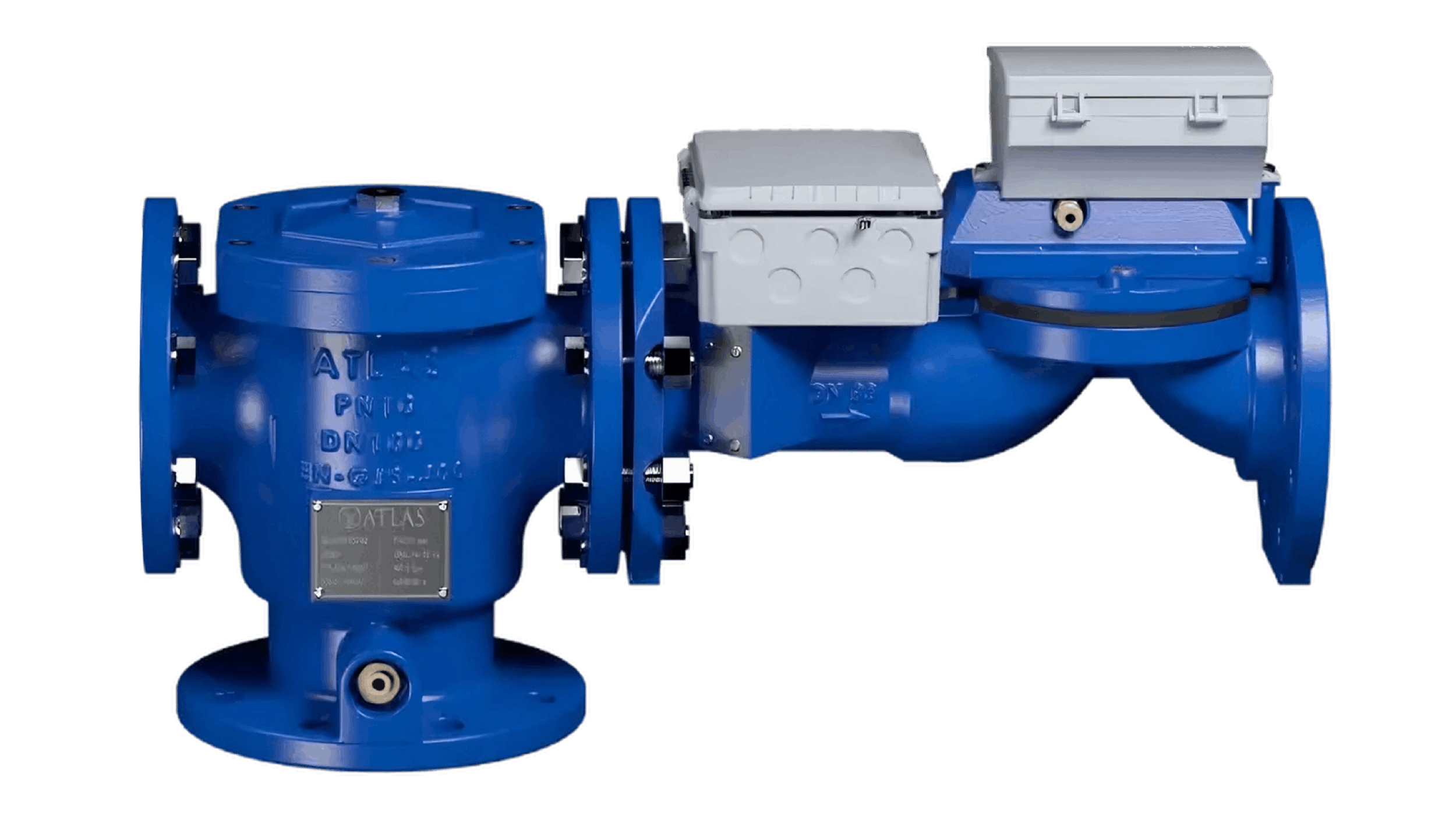
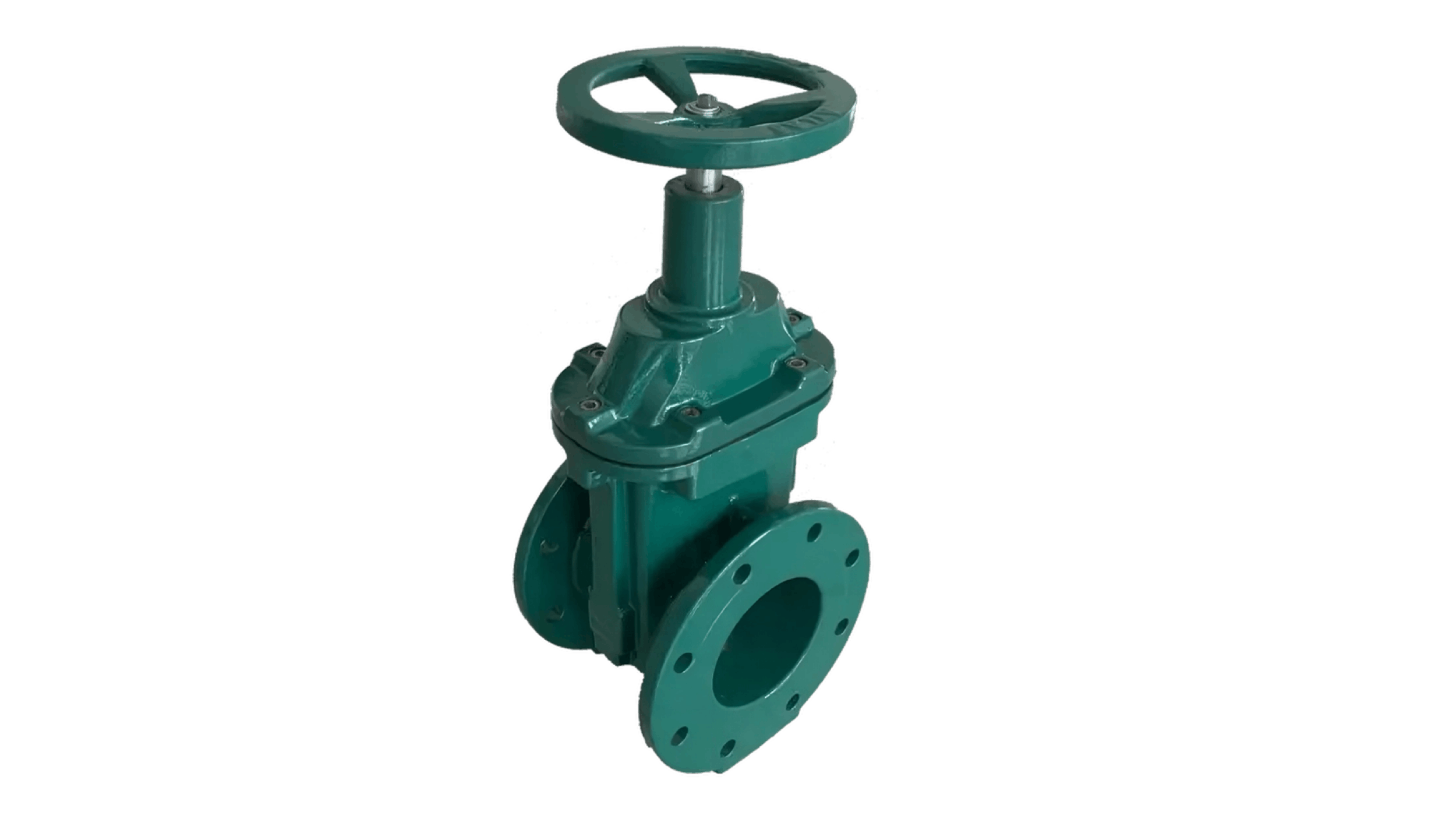
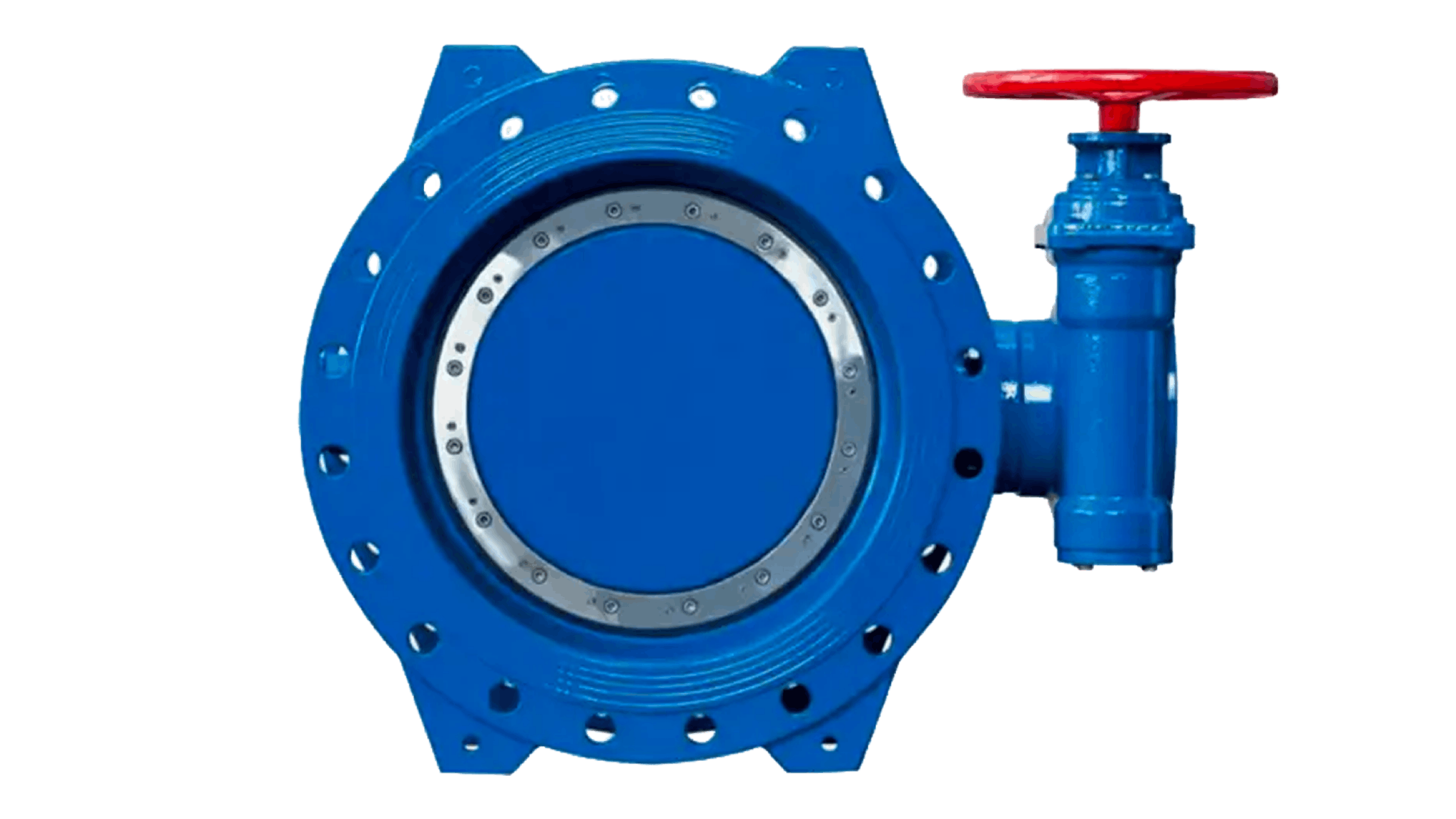
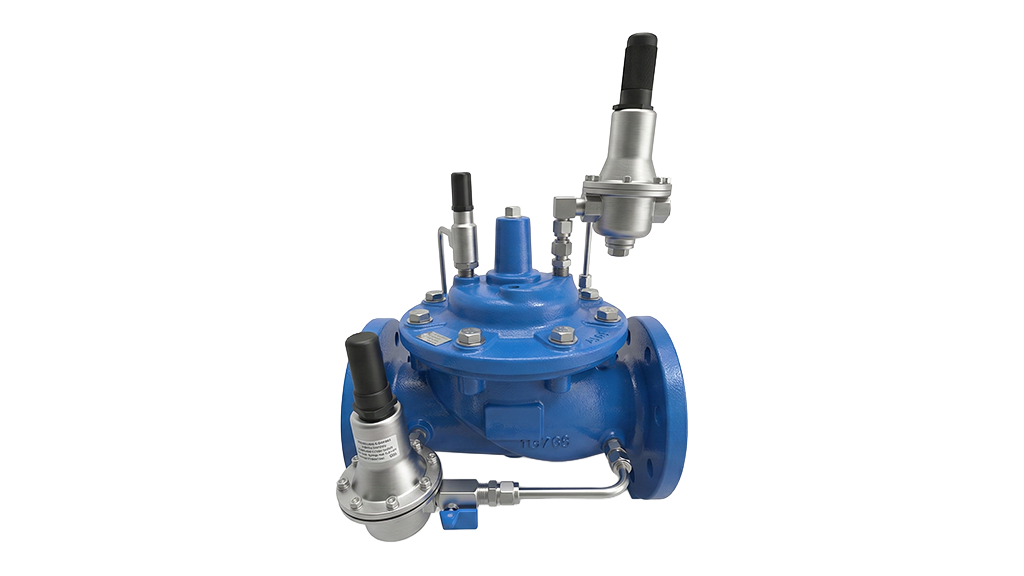
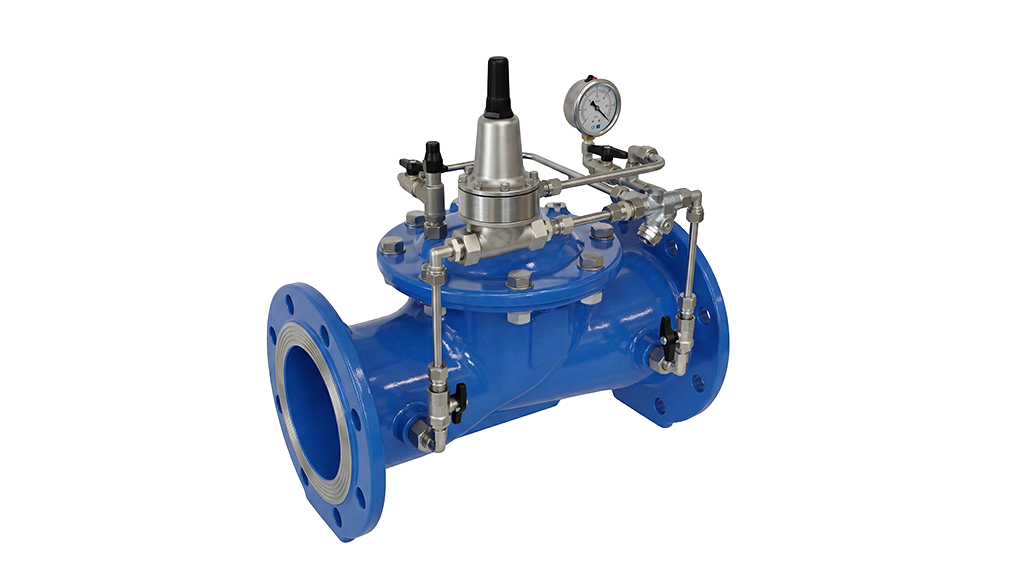
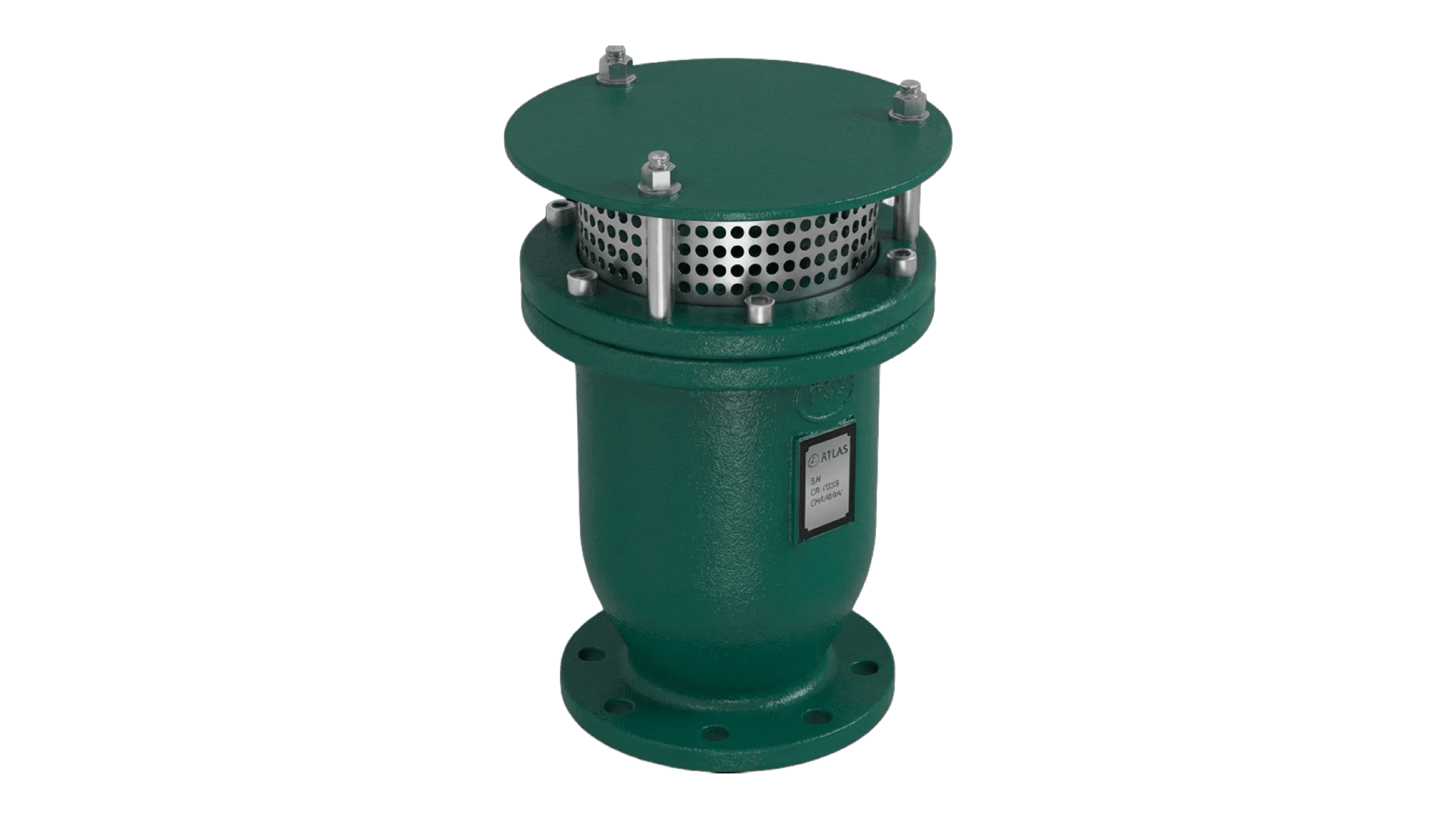
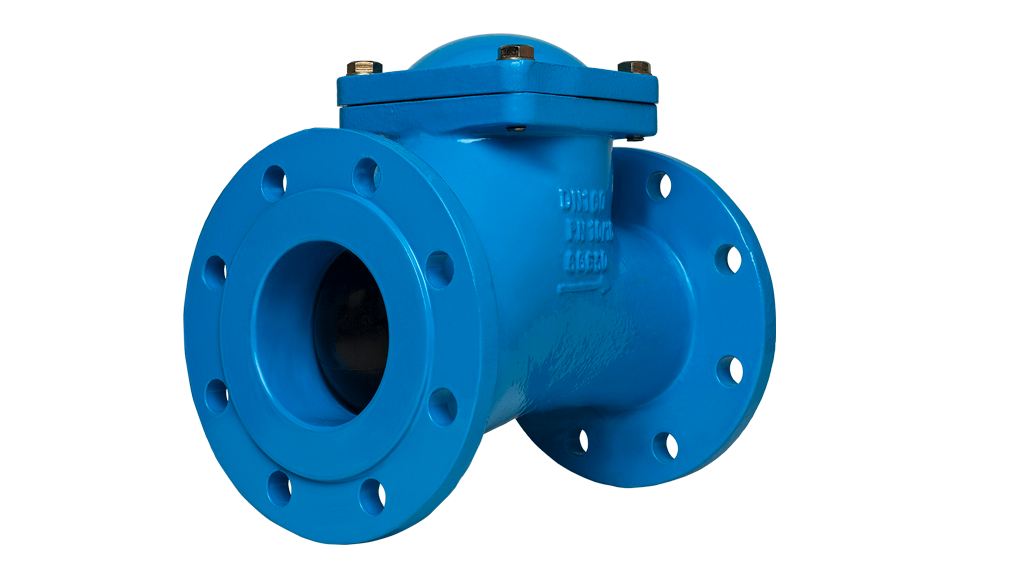
Line sectioning with gate and butterfly valves; management of operating pressure with suitable pressure control valves; and auxiliary protection functions with air release valves and check valves are addressed together.

Pressure management valves
05 / PARKS, GARDENS AND IRRIGATION

Controlled water intake and zone-based irrigation

Evaluate irrigation hydrants, irrigation meters and valve control in a common scenario. Monitoring park, median strip and green area consumptions separately makes it easier to arrange irrigation programs according to field needs.

Irrigation hydrants · Zone control
06 / RESERVOIR AND PUMPING STATION

Level, flow and operation monitoring

Create a data plan for jointly monitoring tank level information, inlet-outlet flow rates and the operating status of field equipment. If pump energy is also measured, energy consumption per unit of water can be evaluated.

Level sensors · Pump energy analysis
Wastewater and treatment applications: Measurement in closed and completely filled pipes differs from open channel or partially filled line measurement. A single flow meter is not recommended for all applications without examining the fluid's conductivity, solids content, chemical properties and line conditions.

ATLAS PRODUCT PORTFOLIO

From metering to control, from field to center

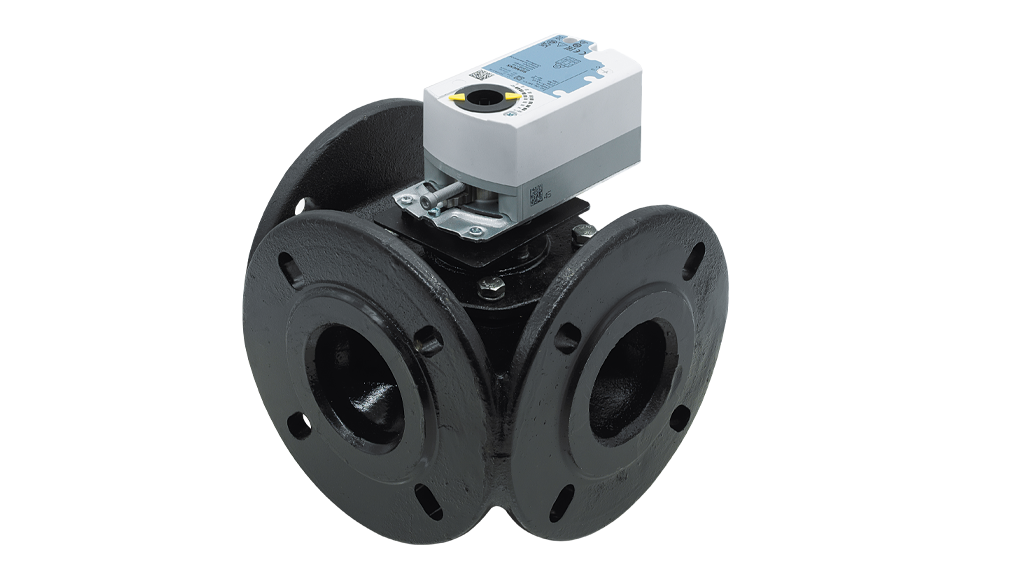
You can access model information from the real product cards below. Diameter, pressure class, material, power supply and communication options vary by product and configuration; the final selection is made via the technical datasheet.

MEASUREMENT + COMMUNICATION + PLATFORM + OPERATION

Turn field data into decision information with Atlas Server

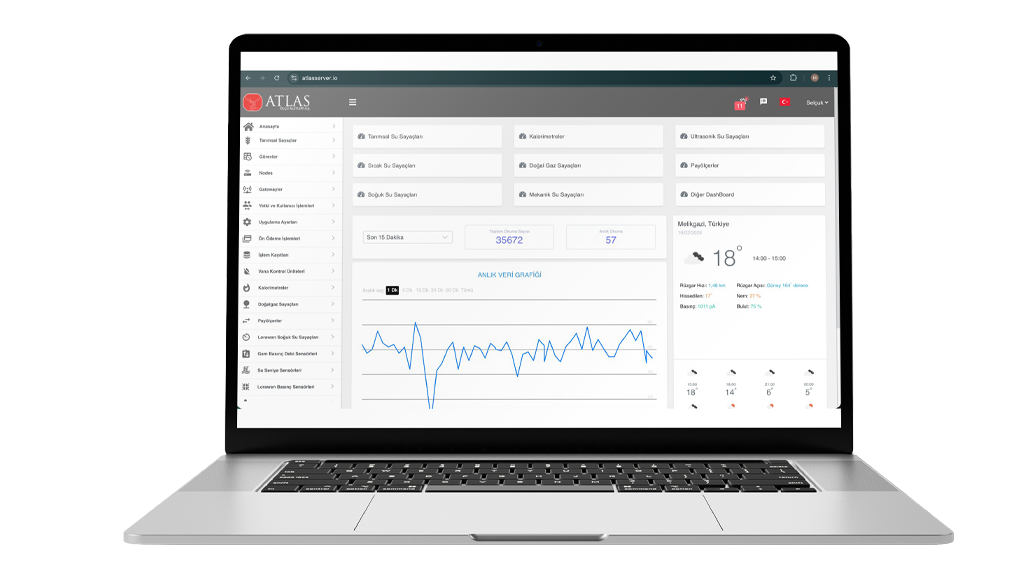
Atlas Server offers a common platform approach for monitoring device data, evaluating historical records, field tracking via map and Web API integration according to project needs. Which data is read at which frequency and which commands can be applied are determined according to the capabilities of the connected device.

1. Measurement pointFlow, volume, pressure or level; the sensor and meter required by the application.
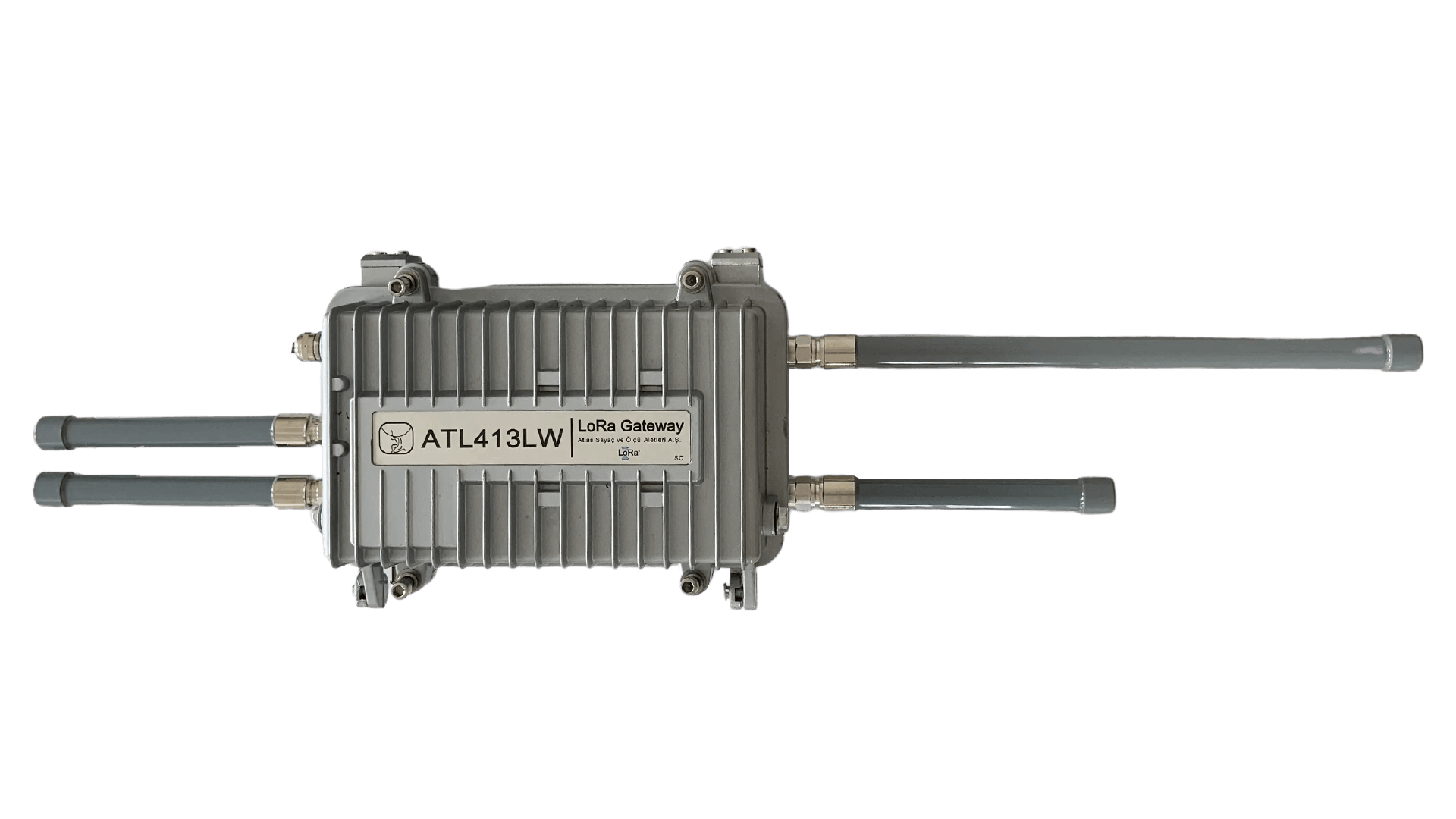
2. CommunicationWired connection, LoRaWAN or cellular communication suitable for the device and field conditions.
3. Data and analysisTimestamped records, consumption trends, zone comparison and alarm tracking.
4. Operational decisionField inspection, maintenance plan and authorized control operations.

The same communication solution is not applied to every site

Initial comparison for communication selection
OptionWhere is it evaluated?Subject to be verified in the project
LoRaWANScattered measurement points and sites where adequate coverage can be provided.Field coverage test, gateway location, reading interval, battery consumption and data transmission conditions.
GSM / NB-IoTRemote points to be connected to the center via the cellular network; with compatible device selection.Operator coverage, supported modem technology, SIM/data cost, power supply and communication outage scenario.
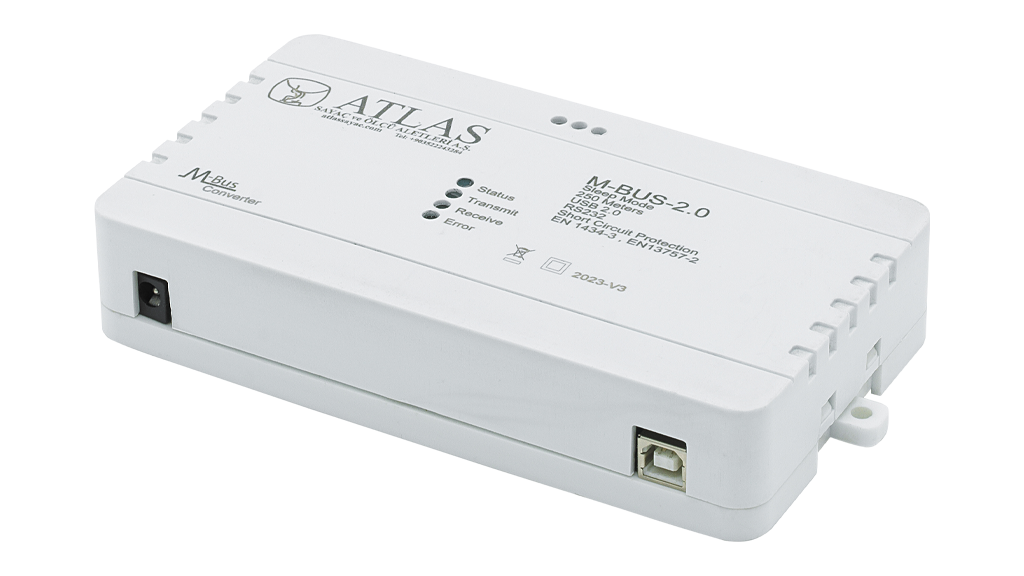
M-BusWired reading infrastructures inside buildings and facilities with compatible meters.Number of devices, cable distance, line load, collector capacity and existing installation.
SCADA / Web APIProjects where data must be transferred to the existing central management software.Data dictionary, units, timestamp, API access, protocol and security conditions.

Device interfaces such as RS485/Modbus, pulse or 4–20 mA are not on the same layer as LoRaWAN and cellular network connections. The need for an interface converter or gateway is checked on a per-device basis.

Define the limits of monitoring and remote control at the start of the project

Being able to read data from a device does not mean that the device can be controlled remotely. In valve control, the actuator, power supply, position feedback, local control priority, and behavior upon loss of communication must be determined together. For control commands, user authorizations and audit logs; for data access, the organization's security and retention requirements should be written into the project scope.

ENGINEERING AND PROCUREMENT GUIDE

Do not select the right product based only on the pipe diameter

Checklist for technical selection and quotation
Product groupField information to be sharedFeatures to check in the selection
Electromagnetic flow meterMinimum/normal/maximum flow rate, pipe inner diameter, fluid, conductivity, temperature, operating and design pressure.DN/PN, lining and electrode material, full pipe, grounding, manufacturer's installation distances, power supply and outputs.
Ultrasonic / clamp-on flow meterPipe material, outer diameter, wall thickness, coating, fluid and measurement point.Inline or clamp-on type, acoustic suitability, installation location and measurement range. Clamp-on measurement is additionally examined for the evaluation of the existing line.
Ultrasonic water meterPurpose of use, flow profile, meter location, water temperature, reading method.Q1–Q4 range, Q3/Q1 ratio, mounting position, pressure loss, environmental protection, battery and communication option.
Network and control valvesDN/PN, fluid, inlet-outlet pressure, flow rate, operating and shut-down scenario.Body and sealing material, flange compatibility, cavitation risk, pressure control behavior and maintenance access.
Actuated valveRequired torque, cycle frequency, open-close time, field power supply.On/off or proportional control, position feedback, protection class, fail-safe position and local control.
Irrigation hydrantNumber of water intake points, target flow rate, line pressure, connection layout and usage scenario.Presence of metering, limiting and control functions in the selected model; maintenance and winter operation.
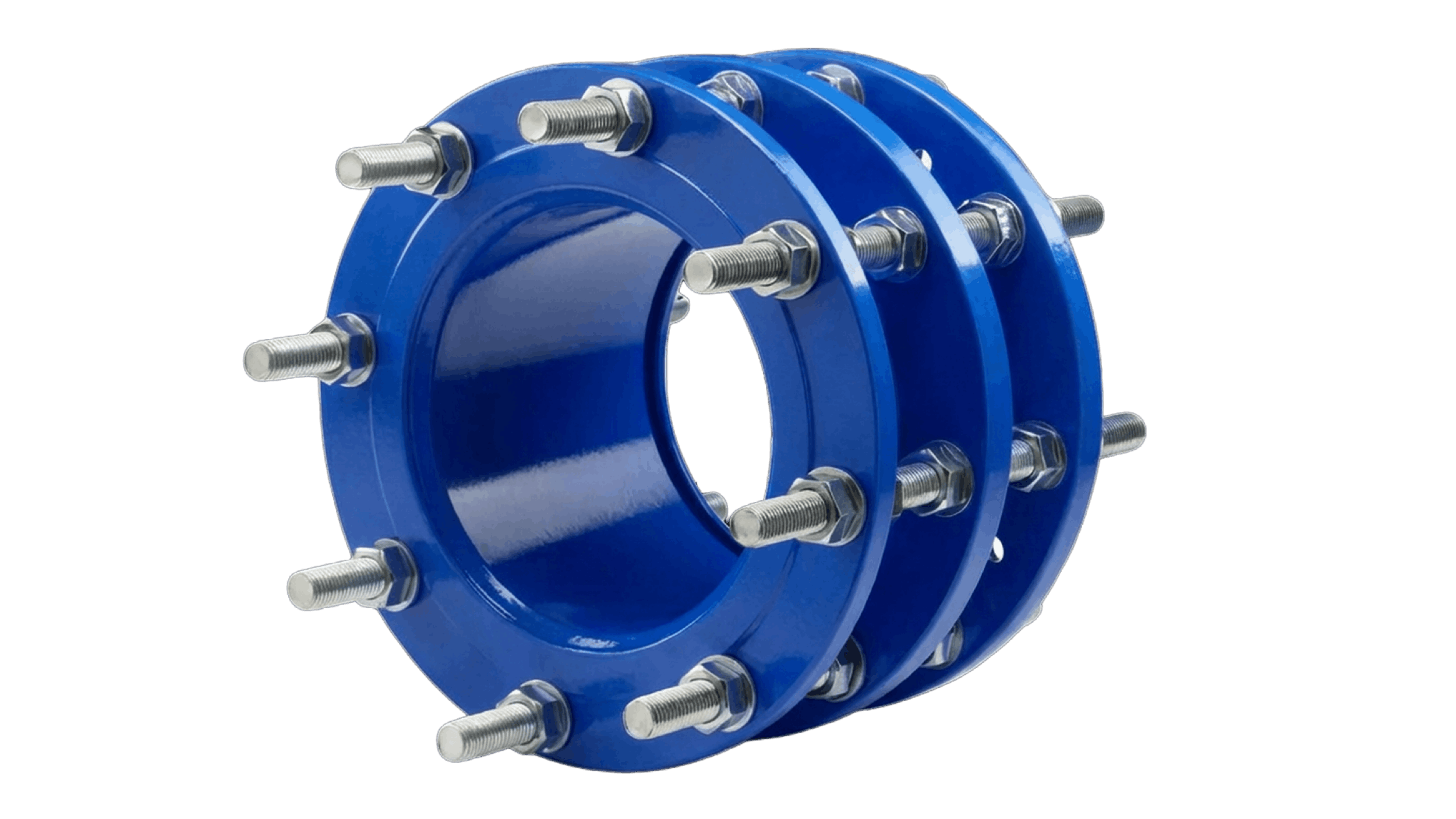
Air valve, check valve and mounting pieceLine profile, filling-draining conditions, pump behavior and installation distance.Air intake/discharge capacity, reverse flow and surge behavior, removal-installation clearance and mechanical compatibility.
Hydrant separation: The products linked on this page are irrigation hydrants. In applications requiring a fire hydrant, the product's intended use, flow-pressure requirement and relevant conformity documents must be verified separately. An irrigation hydrant is not selected automatically as a substitute for a fire hydrant.

FROM PILOT SITE TO SCALABLE SYSTEM

Implementation and acceptance plan

01 / INVENTORY AND SURVEY

Clarify the metering points

The line diagram, meter inventory, tank and pump locations, existing SCADA, energy and communication conditions are evaluated together. The measurement purpose and data requirement are written separately for each point.

02 / PILOT IMPLEMENTATION

First test the actual field conditions

In a representative district, device placement, data continuity, reading success and alarm thresholds are tested. Coverage and installation issues are identified before rollout.

03 / COMMISSIONING

Record the acceptance criteria

Serial number and measurement point matching, data units, clock synchronization, local/remote reading comparison and communication interruption trials are included in the acceptance plan.

04 / OPERATION AND IMPROVEMENT

Compare the result under the same conditions

Data completeness, response time after alarms, regional consumption and, where available, energy per unit volume are monitored. Maintenance, training, spare parts and software support scope are defined in the contract.

DMA example: from alarm to field control

When a region's night inlet flow rises, data quality, valve limits and legitimate night use are checked first. Then, by comparing pressure trends and consumption records, the area to be examined by the field team is narrowed down. This is an application scenario; a flow increase alone does not definitively indicate the leak location or the leak volume.

Success indicators: Valid recording rate, rate of devices read on time, alarm verification time, verified loss volume and consumption change after maintenance. Saving targets are determined with baseline data before the pilot; no fixed saving percentage is promised.

TECHNICAL TRUST AND DOCUMENTATION

Verify the model, the document and the field requirement together

Quality and product documents

Match the technical datasheet, installation instructions, test report and conformity documents with the quoted model. Check MID/CE coverage on a product basis where required; it should not be assumed that one document belongs to the entire portfolio.

Quality management

References and experience

Review Atlas's published references. Evaluate in the technical meeting the product type used for a similar site, the application scope and the operating conditions.

Atlas references

Catalog and technical support

Determine the product family from the catalog; request the technical document for the exact model, diameter and configuration. Compare the dimensional drawing and connection information with the project drawings.

Catalogs · Technical documents

Control headings that can be added to the technical specification

Measurement range and error limit; operating conditions; material and connection characteristics; energy and communication infrastructure; data format; integration boundaries; test and acceptance method; training; warranty, maintenance and spare parts coverage must be defined as separate clauses. The evaluation must describe the field function in a measurable way.

FREQUENTLY ASKED QUESTIONS

Matters to be clarified at the start of the project

Does the existing SCADA system need to be replaced?

Not required in every project. The integration scope is determined by examining the existing system's data acceptance method, protocol and license terms. Atlas Server Web API and SCADA solutions should be evaluated on a project basis.

Which DN and PN value should we choose?

In addition to the line diameter, minimum and maximum flow rate, normal operating pressure, design pressure, temperature and possible pressure surges are required. The technical datasheet of the quoted model is taken as the basis rather than the general range of the product family.

Which is more suitable: LoRaWAN or GSM?

It depends on device density, geography, coverage, energy, data frequency and total operating cost. Rather than forcing a single technology across the entire site, grouping measurement points and performing a coverage test is a more accurate start.

Can meter data be used directly in billing?

The suitability of the measuring device for the relevant intended use and the conditions for its integration into the institution's billing system must be verified. The presence of remote reading or a monitoring platform alone does not mean legal measurement suitability and billing integration.

Is reducing pressure always the right solution?

No. Service pressure at critical points and peak demand must be preserved. Pressure management is addressed together with network elevations, consumption variation and hydraulic assessment.

What information is sufficient for the initial meeting?

Application location, number of points, line diameter, flow and pressure range, existing device list, energy/communication status and the targeted function are sufficient for a start. Missing field information can be completed during a site survey or technical meeting.

Let us clarify your municipality's project together.

Share your need for a new network investment, meter renewal, DMA pilot or irrigation automation. Let us evaluate product selection, communication and software scope within the same technical framework.

Add to your request: Institution and application site • number of points • DN/PN • flow rate range • existing system • targeted monitoring or control function.

Technical reading resources

The selection guide on this page is a general engineering framework. Product selection is based on the model's technical datasheet and the field project.

Technical guide: dependable remote meter data

Review measurement timestamps, duplicate messages and cellular outage handling with practical examples.

Read the MQTT QoS and data integrity guide

Size Nasıl Yardımcı Olabiliriz?