
Keep the measuring section full
Ensure that the sensor section remains completely full during operation.
An ultrasonic measuring body installed in the pipeline provides flow and volume measurement for suitable liquids.
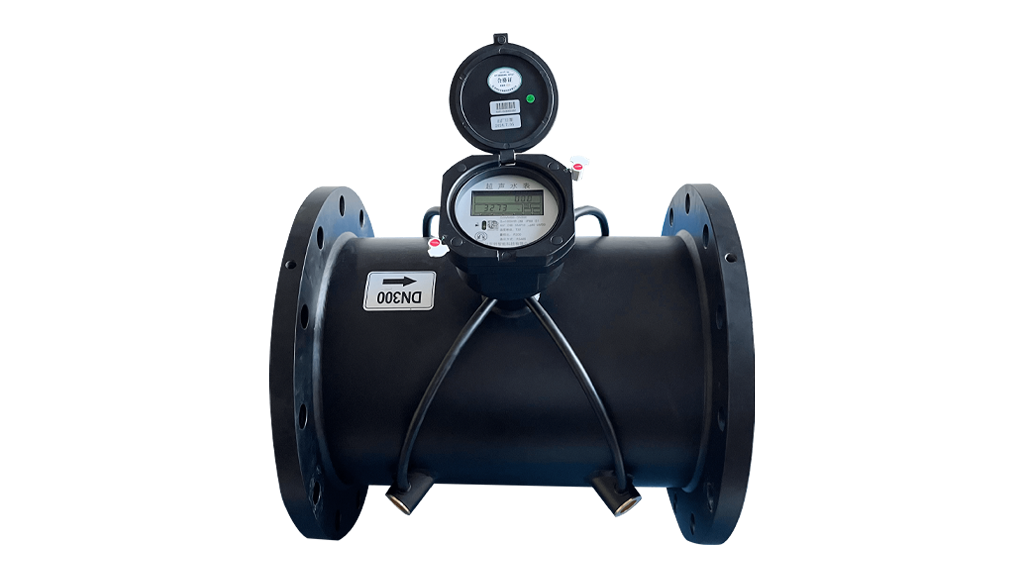
A measuring body installed in the pipeline. Select the sensor, connections and outputs for the application.
An ultrasonic measuring body installed in the pipeline provides flow and volume measurement for suitable liquids.
Prepare a technical enquiry →| Installation | Ultrasonic measuring body installed in the pipeline. |
|---|---|
| Mechanical selection | DN, pressure class, flange standard and installation length. |
| Fluid data | Acoustic suitability, temperature and minimum/normal/maximum flow. |
| Material selection | Body and wetted materials selected for compatibility with the fluid. |
| Performance and protection | Confirm with the selected model datasheet and installation conditions. |
| Power and outputs | Depend on the selected transmitter, module and protocol. |
Numerical limits must be matched to the current datasheet for the selected model.
Ensure that the sensor section remains completely full during operation.
Assess straight pipe runs together with pumps, valves and elbows.
Check grounding, equipotential bonding, gaskets and wiring against the selected model manual.
PLC/SCADA or AtlasServer.io integration is engineered around the device output, protocol, power supply and communication infrastructure.
LoRaWAN, GSM/4G and NB-IoT are not built into every model. External hardware, site infrastructure and software scope are specified in the quotation.
Model-specific drawings, wiring diagrams, calibration and conformity documents are supplied against the confirmed order code.
Monitor pipeline flow, district consumption and measuring points.
Track water use and assess remote measuring points.
Select equipment for the fluid, materials and automation requirements.
Evaluate the measurement objective, fluid, flow range, pipe and installation conditions together. Electromagnetic, clamp-on and in-line ultrasonic technologies serve different requirements.
No. The liquid must have sufficient electrical conductivity and be compatible with the lining and electrodes. This method is not suitable for gas, steam or insufficiently conductive liquids.
A suitable battery-powered converter can be considered. Communication and analogue outputs may require additional modules and external power.
Consider the clamp-on ultrasonic family. Pipe material, outside diameter, wall thickness and acoustic conditions must be suitable.
Connectivity depends on the selected equipment and project scope. Protocol/register maps, modules, power supply and gateways must be validated together.
Provide the fluid, minimum/normal/maximum flow, DN, pressure, temperature, connection standard, power and communication requirements. For clamp-on meters, include pipe outside diameter, wall thickness and material.
Prepare the technical details, then complete your contact information on the quotation form to send your enquiry.