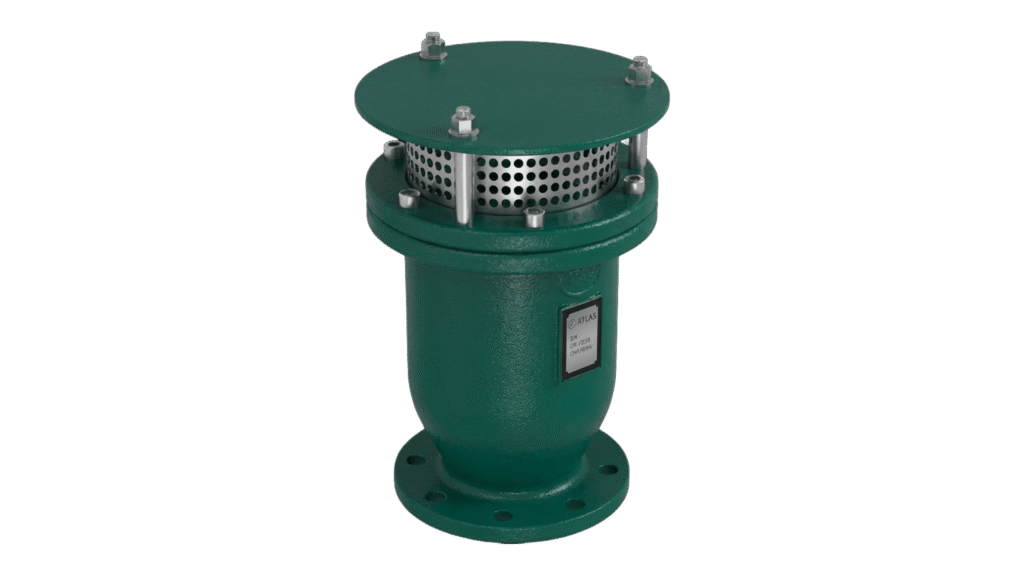
Air Release and Vacuum Valves

An air valve is a valve fitted in series within a pipeline to vent air into the pipeline or to extract air from it.
Air Release and Vacuum Valves

LoRaM-BusM-BusWIRELESSRS-485

Why Choose ATLAS Air Release Valves?

ATLAS air valves address air management during filling, operation and draining of water pipelines. Bulk air discharge during filling, air admission during draining and release of accumulated air under pressure are considered together within the functions of the selected valve.

DN50–DN400 and PN10/PN16 options allow selection for different pipeline sizes and operating pressures. Cast bodies and thermoplastic or electrostatic coatings are chosen according to mechanical and environmental conditions. Special manufacturing requirements for large sizes are confirmed separately.

Correct placement at high points, changes in gradient and suitable pump outlets helps reduce the effects of air pockets on flow and the risk of vacuum during draining. Selection considers required air intake and discharge capacity and the filling/draining scenario, not only the main pipe diameter.

Key benefits

  • Air management during filling, operation and draining.
  • Project-specific diameter, pressure and coating options.
  • Support for reliable pipeline operation through appropriate capacity and placement.
Air Release and Vacuum Valves

What is an Air Valve?
An air valve is a valve fitted in series within a pipeline to vent air into the pipeline or extract it from the pipeline.

Why must air in a pipeline be controlled?
The presence of trapped air in a pressurised pipeline can have adverse effects on system operation and efficiency. Air pockets accumulating at high points due to a difference in elevation can damage the pipeline at the accumulation point through a vacuum effect, causing constriction, which in turn leads to a reduction in flow velocity and increases the energy required to pressurise the water flow. Air pockets exceeding a critical amount in the system can block the flow throughout the entire pipeline, rendering it unusable.

Why Do We Use Air Valves?
The primary cause of 60% of pipeline bursts is the absence, malfunction, or incorrect selection/positioning of air valves within the network. On average, 2% of the fluid in water networks consists of air. Having 2% of the circulating fluid in the network as air means 2% more pumping energy and 2% higher pumping costs.

DN (Diameter)Length – Width [mm]Height [mm]
DN 50190290
DN 65220310
DN 80256350
DN 100256410
DN 150340480
DN 200433560
DN 250540600
DN 300620640
DN 400Custom ManufacturingCustom Manufacturing
General Description and Purpose
Product Description

A hydromechanical valve used to vent air from a pipeline or to draw air into the pipeline

Reason for Use

System efficiency, pipeline safety

Key Statistics

60% of pipe bursts are caused by the absence or malfunction of an air valve.

Protection Function

It prevents pipe contraction caused by vacuum effects, system malfunctions due to air lock, and pipe bursts

Operating Functions
Operating Functions
1. Function (Air Release)

It releases a large amount of air whilst the system is being filled

2. Function (Air Intake)

It draws in a large volume of air to prevent a vacuum from forming whilst the system is being drained

3. Function (Under Pressure)

Removes air bubbles formed during operation from the system
‘No-Slam’ feature that prevents water hammer by slowing down high-speed closure; provides significant air venting and vacuum release at low pressure

Technical Specifications
Nominal Diameter

DN50 - DN400

Nominal Pressure

PN10 - PN16

Temperature Range

-10°C to +80°C (depending on the material composition)

Body Material

Spheroidal graphite casting, Grey iron casting

Coating

Thermoplastic, Electrostatic Paint

Selection and Assembly
Selection Criteria

Discharge capacity, Pipe filling rate, Pipe burst scenario, Elevation differences

Design Constraints

Discharge differential pressure: 0.1–0.15 bar / Vacuum suction differential pressure: 0.2 bar (max.)

Assembly

Peak points, Changes in gradient, Pump outlets (T-shaped installation)

Similar Products

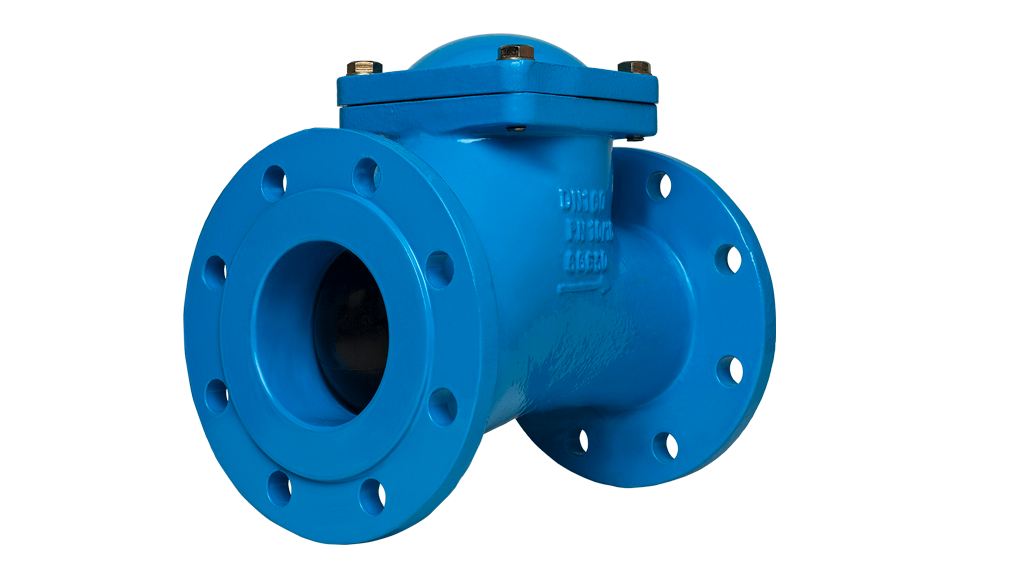
Backflow Prevention (Check Valves)

Backflow Prevention (Check Valves)

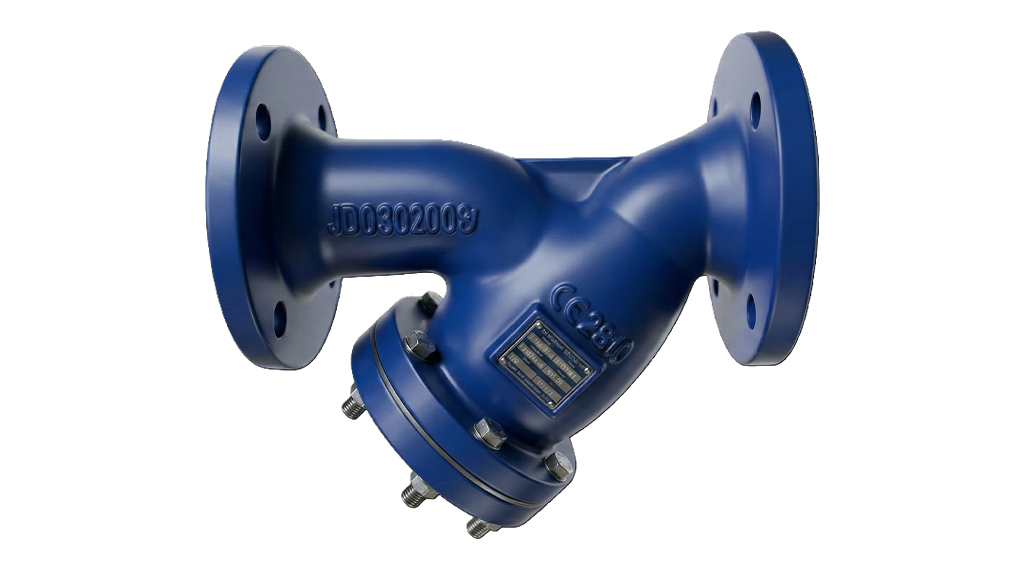
Filtration (Strainers)

Filtration (Strainers)

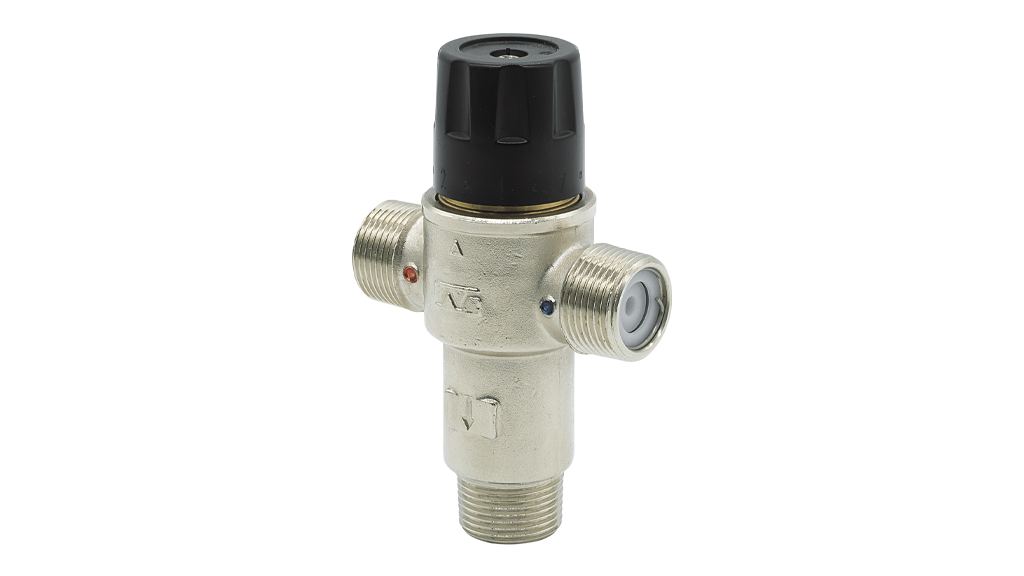
Mixing Valves

Mixing Valves

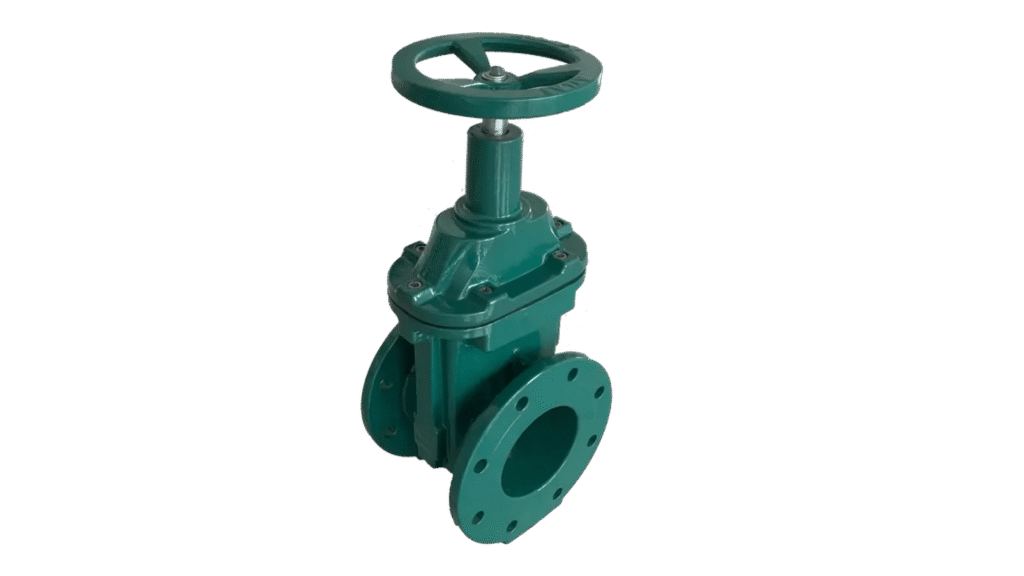
Gate Valves

Gate Valves

Butterfly Valves

Butterfly Valves

Pressure Reducers / Pressure Control Valves

Pressure Reducers / Pressure Control Valves

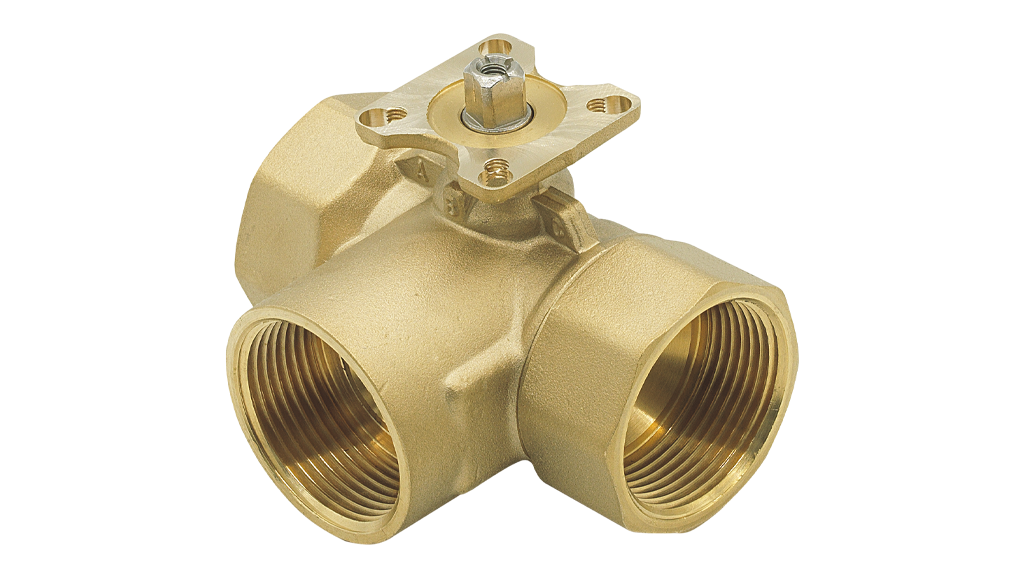
3-Way Brass Valves

3-Way Brass Valves

Atlas irrigation hydrant

Irrigation Hydrants

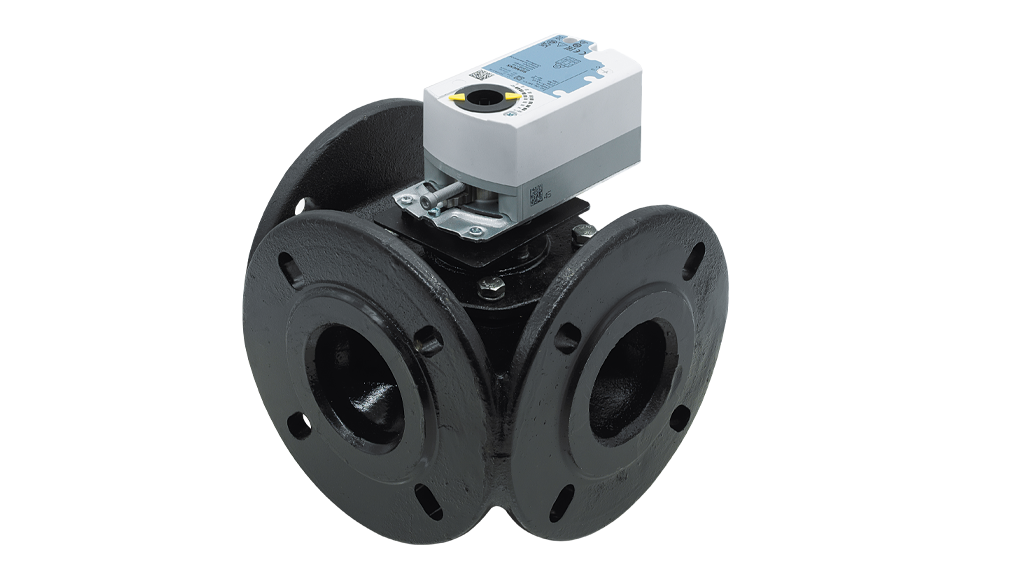
3-Way Cast Valves

3-Way Cast Valves

Pressure Relief / Control Valves

Pressure Relief / Control Valves

Dynamic Balancing / Differential Pressure Balancing Valve

Dynamic Balancing / Differential Pressure Balancing Valve

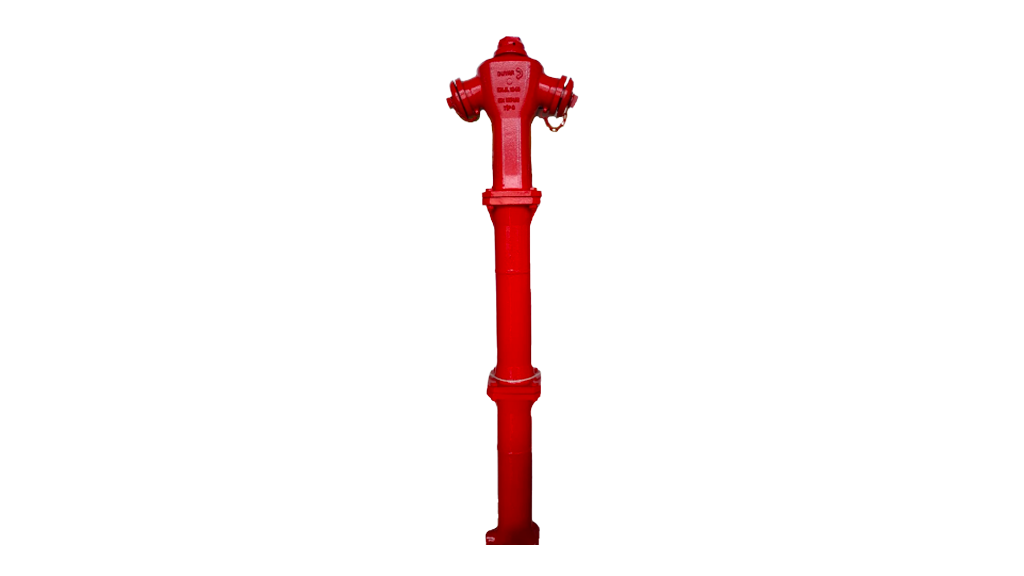
Double Hydrant

Double Hydrant

Needle Valves / Plunger Valves

Needle Valves / Plunger Valves

Motorised Valves

Motorised Valves

Actuated Valves

Actuated Valves

Fire Service Equipment (Fire Hydrants)

Fire Service Equipment (Fire Hydrants)

Ball Valves

Ball Valves

Actuators

Actuators

Size Nasıl Yardımcı Olabiliriz?