From field data to controlled irrigation.
A measured approach to pump optimisation that coordinates irrigation demand, pump capacity and watering windows.
How it works
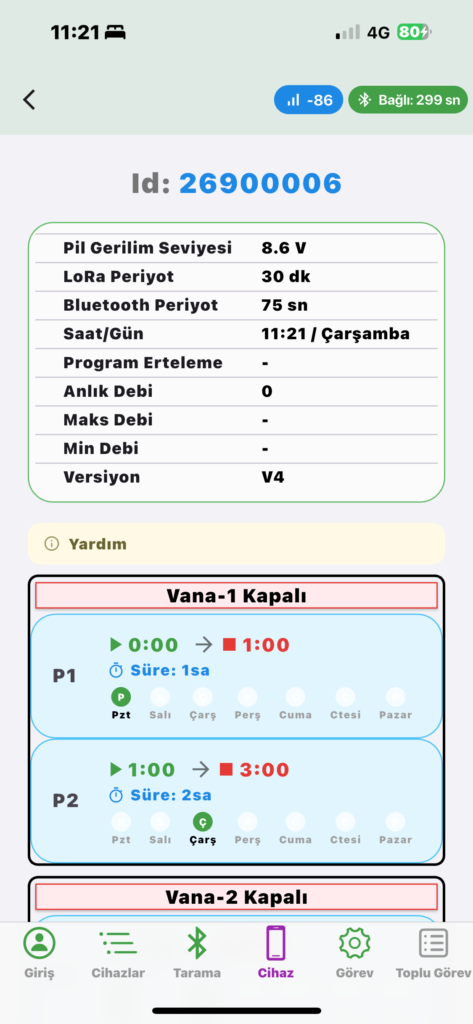
Establish the pump curve and hydraulic limits first. Schedule concurrent zones by total demand. VFD/PLC control requires a suitable panel, drive and interlocks; a battery valve node does not directly drive a pump motor.
Data used
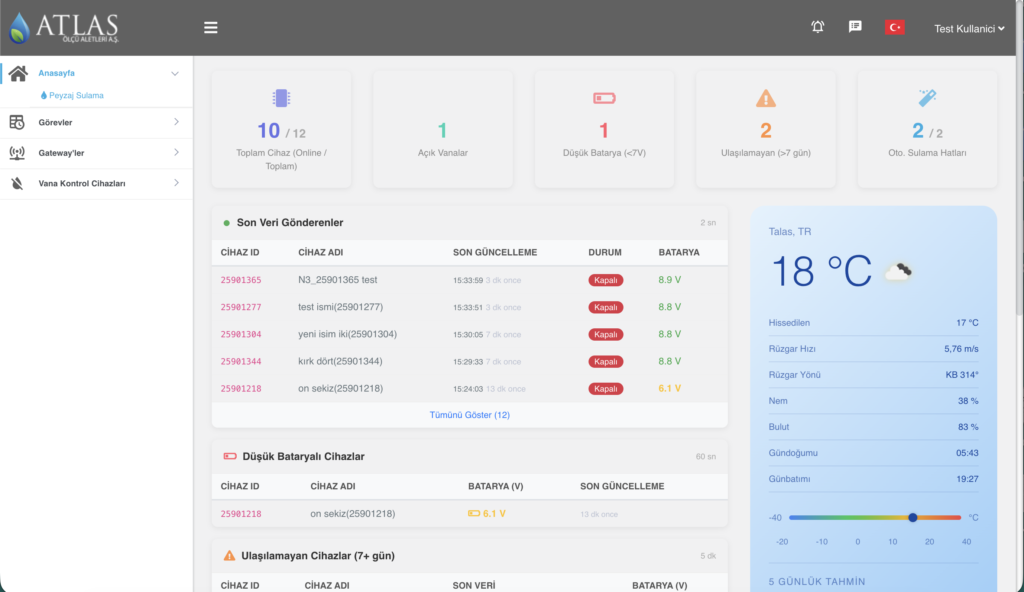
Flow; suction/discharge pressure; pump state; energy meter; runtime; drive frequency and water level where available.
Design and commissioning
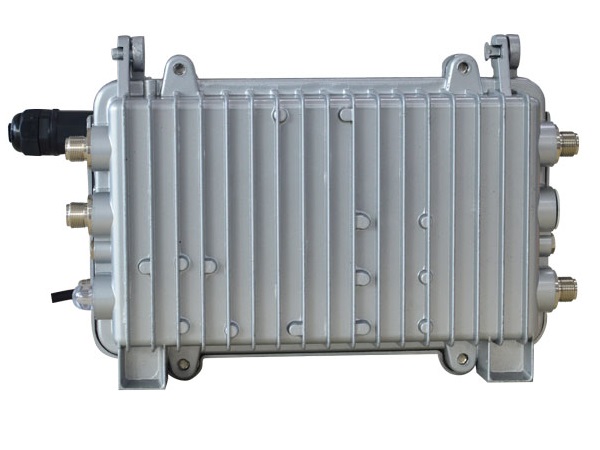
Define scope by evaluating site topology, planting and soil, selected devices, sensors and software version together. For retrofit projects, establish valve/coil compatibility, measurement points, communication coverage and operational responsibilities during the survey.
Qualified personnel test minimum flow, pressure limits, dry-run interlocks and local behaviour during communication loss.
The next step
Pump efficiency mapping, multi-pump sequencing and tariff-aware scheduling validated against a hydraulic model.
This section describes development and project-specific integration objectives. It is not a claim of standard product availability or guaranteed performance; implemented functions are defined in the quotation and acceptance criteria.
Applications
Municipal parks, public gardens, university campuses, industrial-zone landscapes, residential estates, hotels, sports facilities and road medians. As zone and site counts grow, standard asset records, traceable actions and measured management become essential.
Plan your landscape irrigation project with us.
Share the site area, valve count, existing connectivity and project objectives. We can define device selection, coverage survey, integration and pilot requirements together.
Request a project quotationContact our technical team