
ATLAS • MEASUREMENT AND CONTROL SOLUTIONS
Site Survey for Clamp-Type Flow Meter Selection
The Turkish term “kelepçeli tip debimetre” refers to a clamp-on flow meter. This page focuses on surveying an existing pipeline and preparing a quotation. For product selection using the same measurement principle, also see the Clamp-On Flow Meters page.
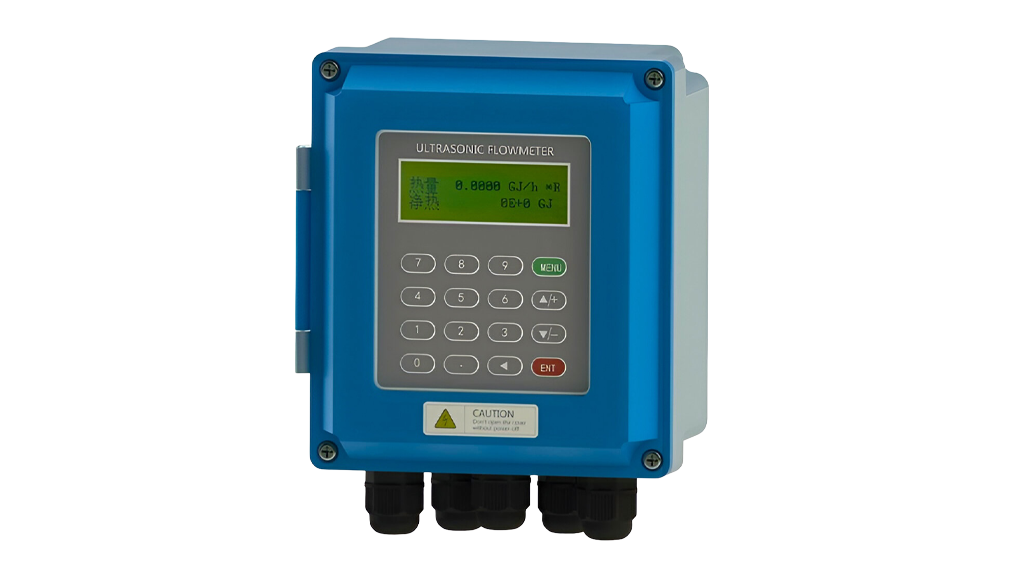
Measurement Point and Technology Selection
When selecting an Atlas flow meter, first define the purpose of the measurement: consumption monitoring, process control or comparison with an existing measurement may require different installations. Recording the fluid, pipe, flow range and communication details on the same site survey form makes it easier to select the right product. Also review the installation conditions on which the performance stated in the quotation depends. Keeping zero-flow and normal-operation records during commissioning is useful for subsequent checks.
Selection and Project Preparation Table
| Insulation and Pipe Surface | Specify this together with the existing site or device information. |
| Sensor Installation Area | Specify the expected operating conditions and their range of variation. |
| Power Supply and Cable Routing | Check against the model documentation and site survey. |
| Temporary or Permanent Use | Include this in the quotation and commissioning acceptance plan. |
Application Example
On a heating plant pipeline, check the actual outside diameter and wall thickness beneath the insulation. Record the sensor position after installation so that subsequent measurements at the same point can be compared.
The term clamp-type does not mean that the device uses a mechanical turbine; check the model documentation for its measurement principle.
Frequently asked questions
What information should I send for a quotation?
You can supplement the selection details above with a site photograph, the purpose of measurement or control and information about existing devices. Once connection and operating conditions are clear, the product and service scope can be assessed together.
What is checked during commissioning?
Check the selected product’s installation instructions, measurement or process results and behaviour during normal operation. Retain the initial records and separately test the data transfer and alarm functions included in the project.
Supplementary Selection Guide for Clamp-On Measurement