
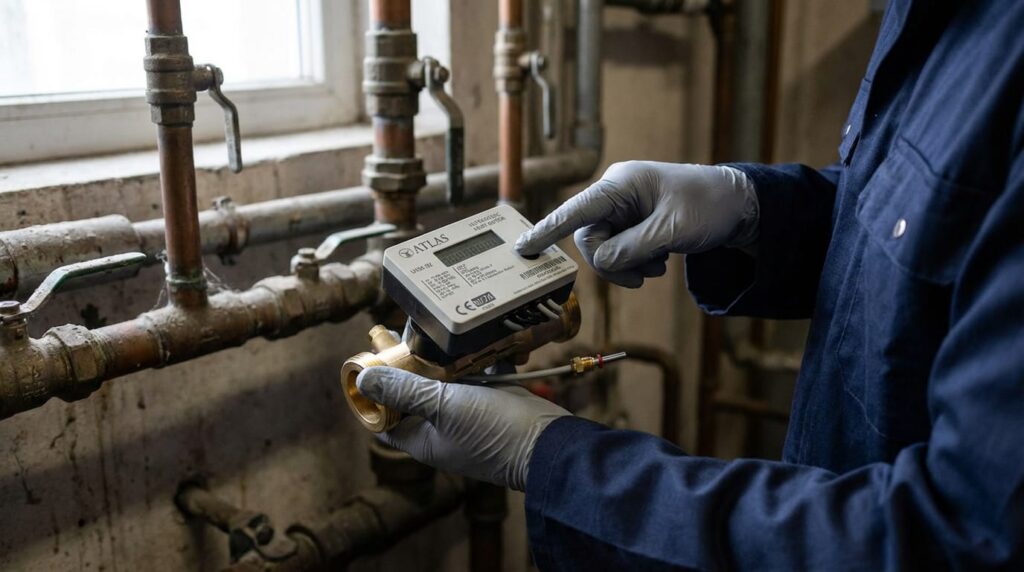
Periodic Inspection Guide for Heat Meters
Within the framework of the regulation published in July 2018, heat meters (calorimeters) have been included in the same legislative scope as electricity, natural gas, and water meters. With this regulation, it has become a legal obligation for calorimeters to be inspected periodically every 5 years.
Legal Legislation and Obligations
According to the regulation enforced by the Ministry of Industry and Technology, the inspection process of heat meters is based on the following criteria:
- 5-Year Rule: The periodic inspection of the meters is carried out every 5 years. In calculating the period, the year the meter is stamped is considered the “first year,” and the calendar year is taken as the basis regardless of the date difference within the year.
- Critical Dates: It is stipulated that the inspections of all meters with a production year of 2014 and earlier must have been completed by the end of 2019.
- Penal Action: An administrative fine is applied to those who use uninspected meters for the act of “using an unstamped measuring instrument.”
- Application Authority: Applications must be made to laboratories approved by the Ministry and authorized by TÜRKAK (estronarge.com).
Inspection Types
Three different inspection methods are defined for heat meters:
- Periodic Inspection: This is the general inspection carried out every 5 years by the building management or apartment owners.
- Sudden Inspection: These are unannounced inspections carried out by the Ministry or Provincial Directorates in residential complexes/buildings. If deficiencies are detected, the service processes and costs are the responsibility of the building management.
- Complaint Inspection: It is carried out upon the written application of concerned parties who suspect the meter is measuring incorrectly. If the meter works correctly, the costs belong to the applicant; if it works incorrectly, the costs belong to the building management.
Survey, Installation, and Pricing Process
Before the inspection process begins, the current status of the plumbing is analyzed with a “Project Survey”. At this stage, the following data is collected:
- Addressing control and meter locations (inside/outside the apartment).
- Meter length, connection diameter, brand, and model information.
- Temperature sensor sleeve diameter and the functionality of shut-off valves.
Pricing: The test fee determined by the Ministry is 61.90 TL (+VAT) per device. However, disassembly and assembly operations are quoted separately from this inspection fee.
How is the Inspection Performed? Technical Process
For heat meters to be inspected, their seals and stamps must be intact. Tampered devices or devices with expired stamps fall into a penalized status and cannot be taken directly for inspection. The technical process follows these steps:
- Comparison with Etalon (Standard): Meters are compared with a test setup (etalon) under 3 different conditions.
- Margin of Error Calculation: Flow measurement, temperature difference, and calculation results are analyzed. The error value of the meter is determined as a percentage (%).
- Approval and Stamping: If the device is within the “Maximum Permissible Error Limits” (MPE), it is restamped and put back into use.
- Non-Compliance Status: A non-compliance report is issued for devices falling outside the limits. These devices are taken for repair and adjustment if possible; if repair is not possible, their replacement is mandatory.
Official Gazette Updates
With the amendment published in the Official Gazette dated March 12, 2019, and numbered 30712, the application and implementation periods of users with inspection obligations are audited and executed by the Ministry of Industry and Technology.