
1. Installation and Technical Support
- Professional Installation: Central heat cost allocators are installed individually on each radiator in the apartment. The installation must strictly be carried out by professional teams.
- Information: The installation timeframe should be calculated in advance, and residents must be informed about the process.
- Suspected Measurement Errors: If the device is suspected of measuring incorrectly, the meter reading company or authorized service should be contacted without delay.
2. Main Benefits of the System
- Energy Savings: By using heat only as needed, savings of up to 30% in fuel consumption are achieved.
- Fair Payment: Each apartment pays only for the energy it consumes; it does not bear the costs resulting from the irresponsible use of others.
- Heating Comfort and Thermal Balance: Thanks to the requirement to keep thermostatic valves open, the thermal balance between apartments is maintained, and heat loss is minimized.
3. Managerial Responsibility and Legal Obligation
In accordance with the regulation dated April 14, 2008, sharing heating costs based on consumption in buildings with central heating systems has been a legal obligation since May 2, 2012.
- From this date forward, apportioning expenses based on land share, number of apartments, number of radiators, or number of occupants is legally invalid.
4. Device Types Not to Be Confused
A Heat Cost Allocator is a device mounted on a radiator. The following types of calorimeters (heat meters) mentioned in the text are generally installed on manifolds at the apartment entrances and should not be confused with heat cost allocators:
| Device/Technology Type | Description and Difference |
| M-Bus System | A wired data transmission system. It is generally associated with calorimeters that provide central reading, not heat cost allocators. |
| RF (Radio Frequency) | Heat cost allocators transmit their data via RF. However, they should not be confused with RF calorimeters installed on the manifold. |
| Hybrid Systems | Meter types that incorporate both mechanical and electronic properties. |
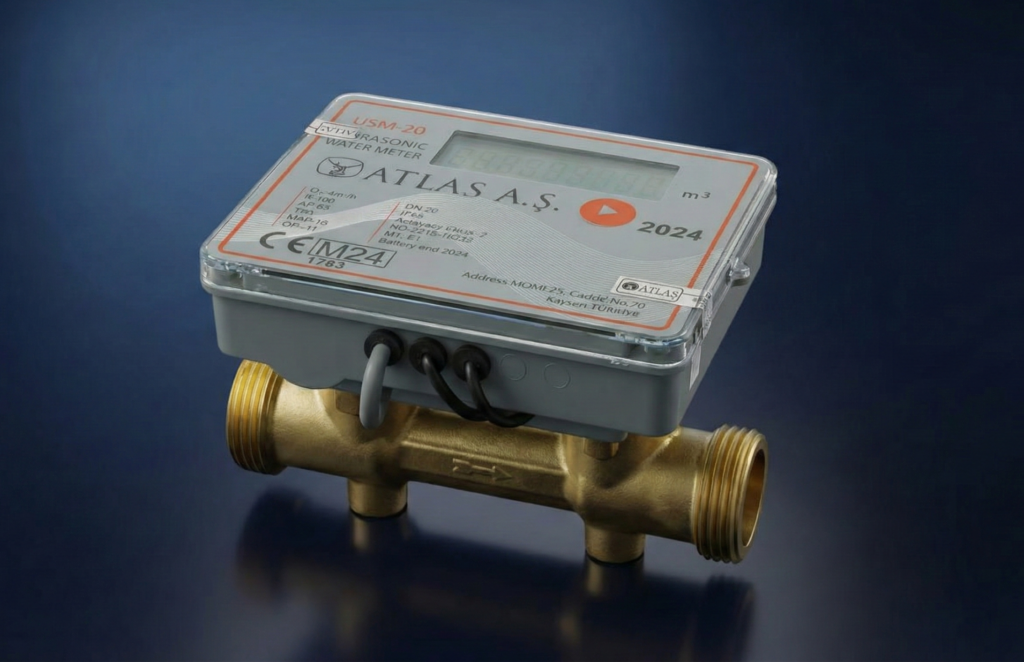
| Ultrasonic Meters | High-tech calorimeters with no moving parts that measure water flow using sound waves. |
| Mechanical Meters | A type of calorimeter that measures water flow using internal impellers. |
5. Reading and Billing Service
For a fair distribution in central heat cost allocator and calorimeter systems, professional meter reading services should be obtained. Our company has been providing support for regulation-compliant calculation and billing for many years.